Activation is more than activity


James Pastan is Head of Growth at Framer. Previously, he co-founded and exited an a16z-backed prosumer AI music company and led the growth monetization cohort for MongoDB Atlas.
In this entry, James argues activation is the moment a user hits a meaningful outcome and establishes habit, not just the activity that gets them there. Keep the metric simple, watch for AI voyeurs whose aha moment is the model rather than the product, and fix the leaky bucket before the drip campaign.
Keep your activation metrics simple
Activation is the chain from sign-up to the first meaningful outcome, which should correlate to a downstream business metric. If finding success in your product doesn’t mean they pay you, you don’t really have a business.
Activation is the chain from sign-up to the first meaningful outcome, which should correlate to a downstream business metric. If finding success in your product doesn’t mean they pay you, you don’t really have a business.
The best activation metrics are simple. The tempting move is the compound one: encode every action thousands of users take, find six events that correlate to long-term retention, ship the metric. But take any activation metric too literally, and you end up defining negative product pathways.
Take the example of Facebook’s seven-friends-in-ten-days. It was rooted in a real product truth: the more nodes in your graph, the more value you get from the platform. But take the metric literally and it falls apart. You could block people out of the experience until they hit seven friends. You have to find ways to be very thoughtful within the context of a very simple activation metric.
At Framer the metric is: publishing an active site. It’d be easy to make it site publishing, but that would overlook crucial context. Zero edits before publishing isn’t activation. Publish, never come back, nobody visits the site… did we actually activate you? It’s both a science and an art.
There is no activation without habit
Setup, aha moment, and habit aren’t the same thing. Setup and aha cluster together: somebody comes into Framer, gives us context, creates a project, invites collaborators. Setup enables the aha moment of publishing a site.
It’s easy to conflate the aha moment with activation. More users taking the key action only matters if those users come back, which is the habit step. This is especially important for creative tools like Framer where so many people come for so many reasons, a single successful session is not enough. You have to retain them! Setup enables aha; aha with habit is activation.
AI voyeurism is the new activation trap
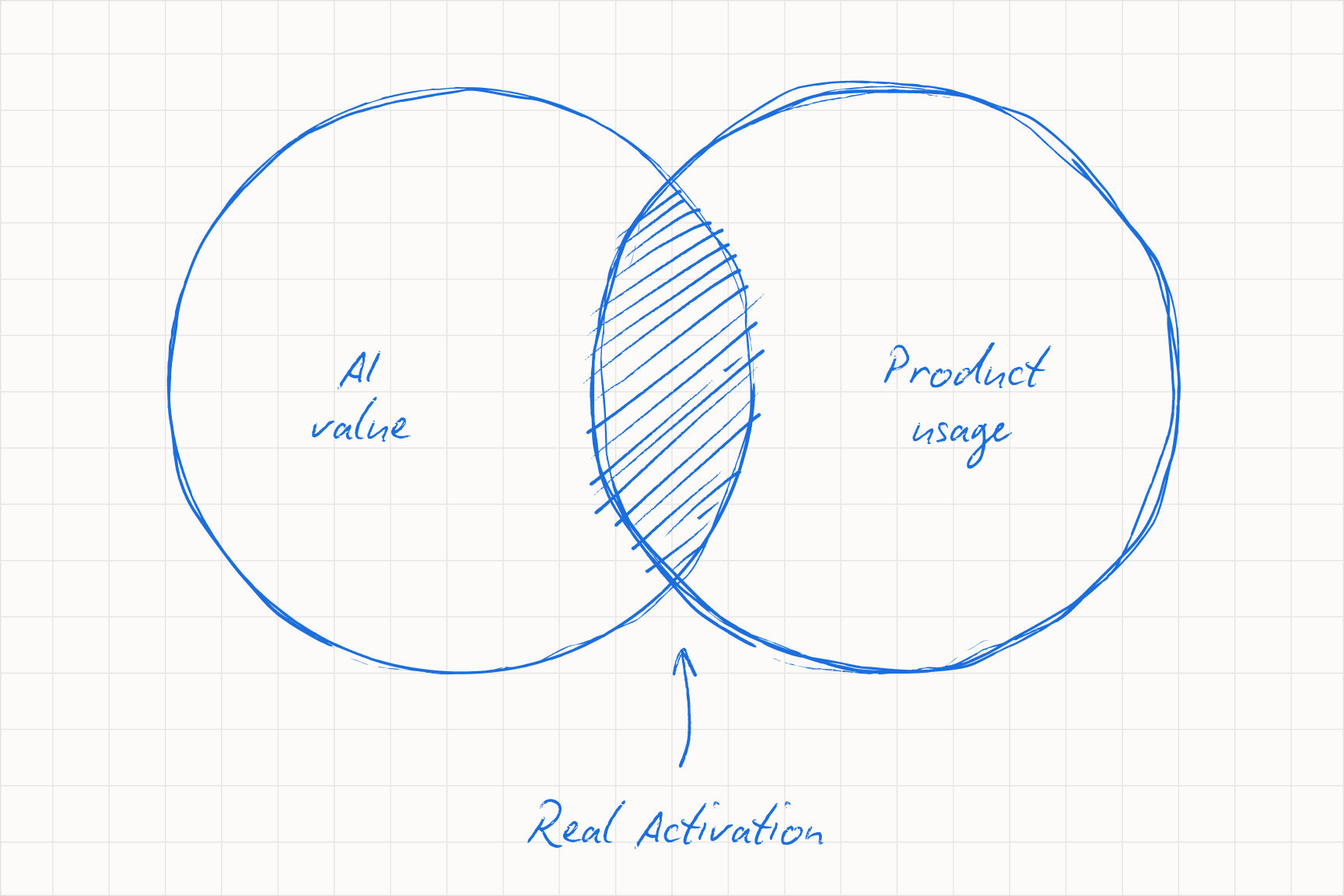
On one hand, AI is compressing time-to-value and making reaching the aha moment easier and faster. On the other hand, AI is muddying the activation funnel because of something we call AI voyeurism: acquired users because of their curiosity of a new AI-native experience. They type something into a box and watch the model build it, but they don’t actually have product intent, they’re there to see what the hype is. I think about this in three ways.
- Voyeurism can be its own aha. “Wow, I can’t believe I typed this and got that.” But that aha is on the model, not the product. You want an AI aha coupled with achieving a specific product outcome, not just a cool AI thing that happened.
- Prompt boxes minimize time to value and massively increase landing to signup conversion rate, but they come with risk. Frictionless experiences can be a trap, and there is such a thing as healthy friction. Do users even know what they’re doing on your website separate from typing something into a box? Are they giving you the information that you need (setup!) to make the aha moment about the product and not the AI experience?
- There’s an acquisition upside. People are really interested in having AI-native experiences right now. Some percentage of those people coming to try the product do end up converting, staying, and finding value. But separating intent for the AI (e.g., AI voyeurism) from intent for the underlying service is a data problem most teams aren’t disciplined about yet.
You can't bolt AI onto a prosumer tool
How AI fits into activation depends on your tool and who’s using it. For prosumer tools where the ICP has real skill in a workflow, layering in AI is more nuanced than people appreciate.
Framer’s most successful users are skilled in professional design software like Figma, Adobe, Photoshop. They understand stacks, frames, alignment. They want fine-grain control over every pixel on the canvas. AI is amazing when it facilitates that. It’s bad when it takes control away from them.
Low design skill is the inverse. AI facilitates the experience, but the idea of a perfect AI where you just type and get the absolute best website you can control, maintain, grow, invite your teammates, etc. isn’t real…yet! When those users fall back onto the prosumer tool, the pathways you already had for helping less-experienced users succeed still apply.
You have to think about each segment in isolation. Or, in many cases, ruthlessly prioritize whichever is more important to you and your business.
Segmentation is a business question
It’s tempting to say: we’ll define and build the best possible experience for every segment. But this is a common analytics trap. Whether or not you address segments is not an analytics question, it’s a business question. Be opinionated about the specific audience you’re driving value for, and focus ruthlessly on making that experience amazing.
From there you extend outward. A designer brings us into an enterprise and the content team shows up caring about the CMS and SEO. Now we ask how does this lower-design-skill content marketer achieve success in their workflow? The question isn’t how do we close our eyes and increase TAM. It’s how do we deepen the needs of our most important audience and the adjacent communities around them?
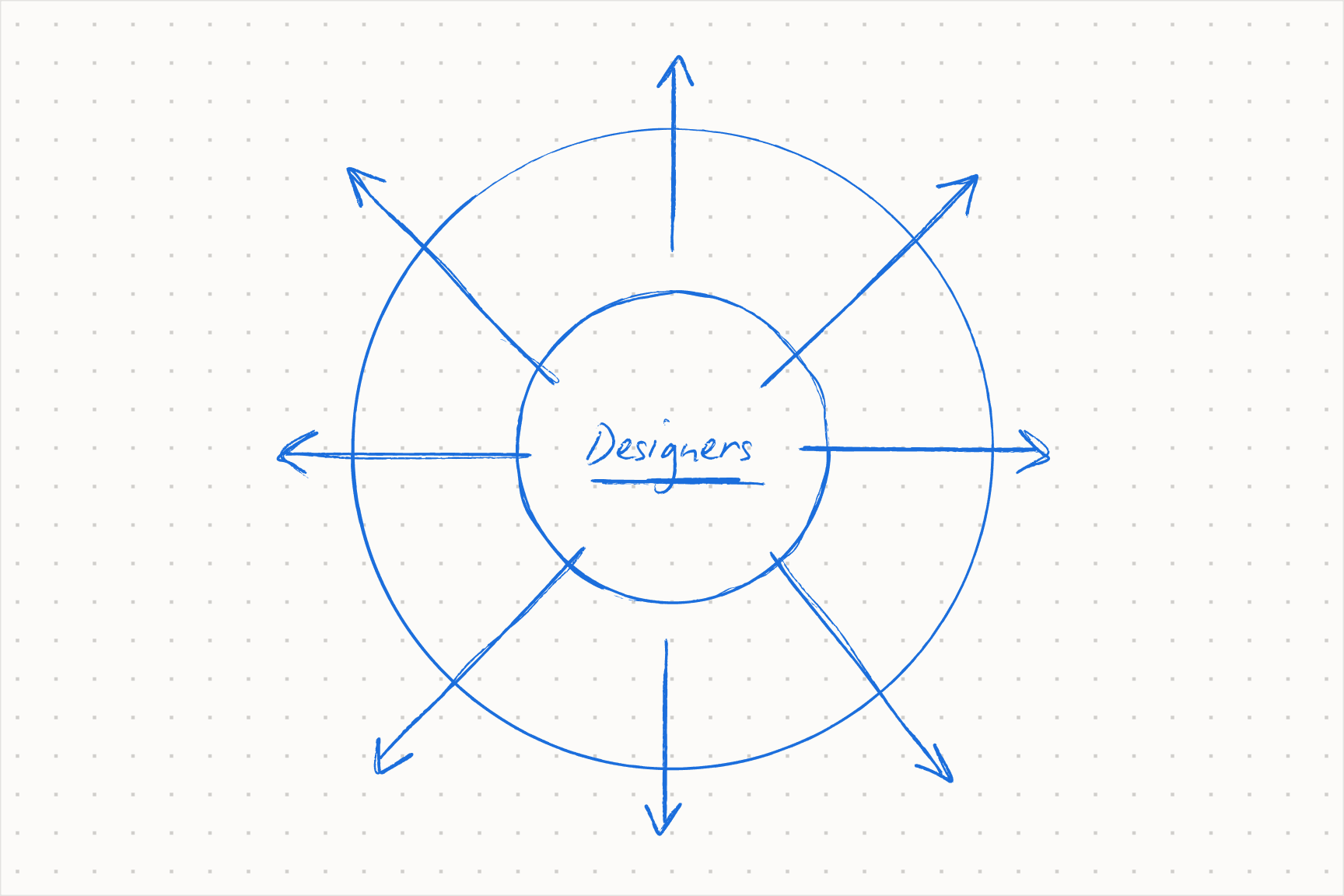
At Framer we constantly anchor ourselves: how do we make the best possible design tool for people who care about brand, design and identity? We see ourselves as a design company first, a world-class design tool. Every decision has to meet that, whether product, brand, or marketing.
At Framer we constantly anchor ourselves: how do we make the best possible design tool for people who care about brand, design and identity? We see ourselves as a design company first, a world-class design tool. Every decision has to meet that, whether product, brand, or marketing.
Fix the leaky bucket before the drip campaign
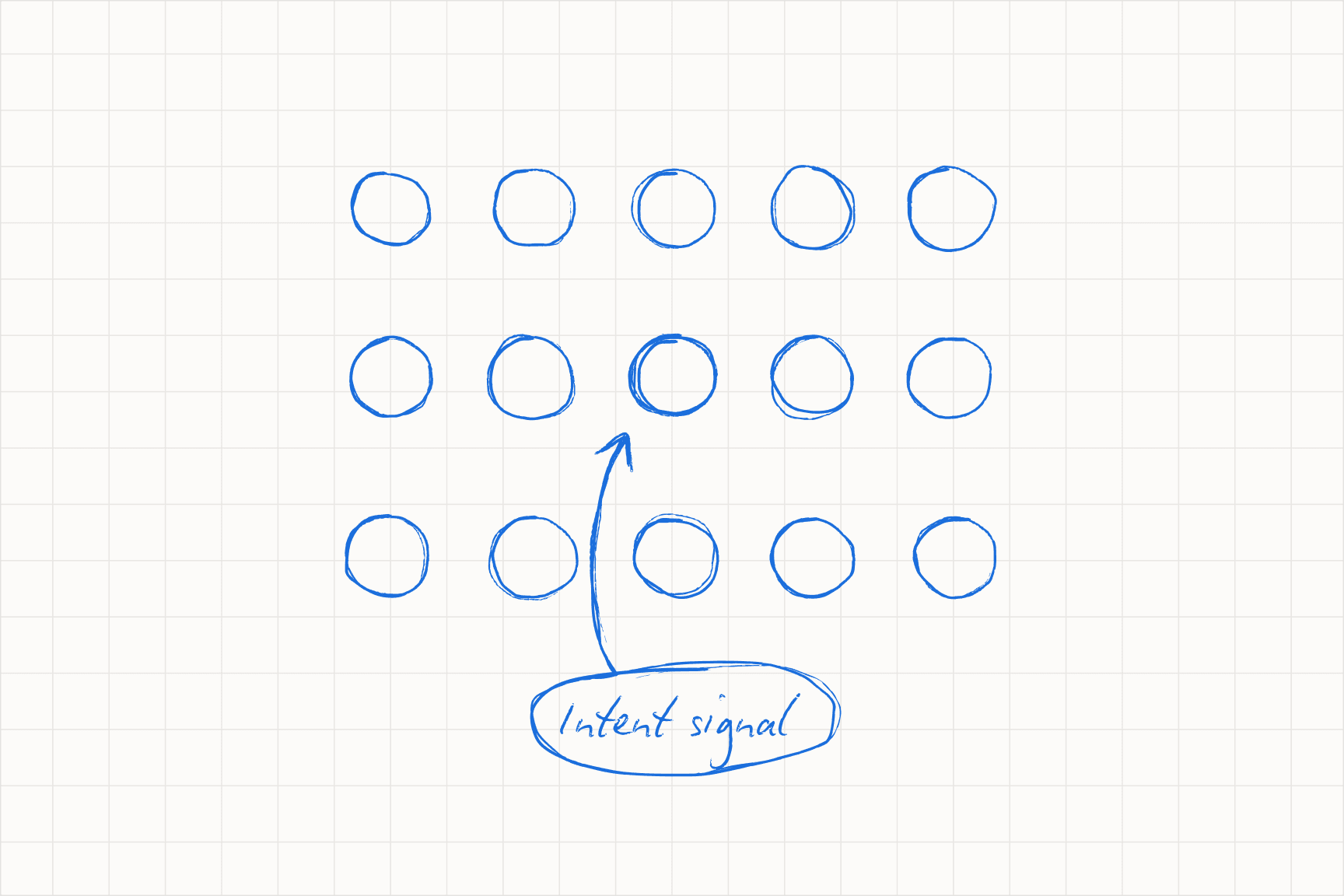
When you’re trying to reactivate, everyone retargets the visitor who stayed on the homepage for thirty seconds. But it’s easy to overlook the person who came to your application, profiled as a good fit, but never came back. Talk about an intent signal! They signed up and came for an outcome, they just didn’t get there.
When you’re consumer and PLG, these audiences can get big. Tens of thousands, hundreds of thousands. And they’re the most under-worked audience you own. The tactics are basic. Acquisition: bottom-of-funnel ads pushing specific use cases or tutorial content. Lifecycle: drip campaigns contextual to why people came to you.
But it’s important to think critically about where to spend your energy. If you’re crippled by AI voyeurism, focus on product instead of the email sequence. If instead your habit is amazing but few people come to your site, focus on world building. Put all of your energy into crafting unique experiences that bring brand, character, and life into the upfront experience.
James Pastan
Head of Growth at Framer